Helpful Information Blog
Learn about current design trends, what to expect during projects, our latest work and more.
Garage Door Inspection & Tune-Up
Garage Door Inspection & Tune-Up Contact MEGA PROS for your next Garage project. We now offer Garage Door Repair and Replacement services! We also offer Pre Winter Inspections and Tune-Up for your Overhead Door. Jesus Is our MEGA...

Home Improvement Project
Home Improvement Project Did you know MEGA PROS will bring their same amazing construction services for your home, into your garage? That's right! Another service we proudly do for our customers. Remember, ONE MEGA CALL DOES IT ALL! We...
Fox Lake
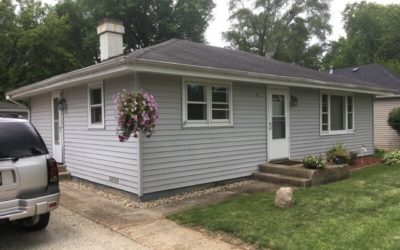
All projects have a start, and here is what the home we are going to work on looks like. While not in bad shape, old roofs and siding can have small openings that let the weather and insects inside. Getting started by ripping the old soffit and...

Garage Cabinet Installation
Our MEGAPRO Travis recently finished a garage renovation project in the Chicagoland area. Travis did a fantastic job of working with the homeowners to create a custom design to add storage and design to their garage. The...

Latest Roofing Projects
We can't help it, we just LOVE showing off our work! Here are a few of the latest roofing projects that we have worked on in the Chicagoland area. Remember, ONE MEGA CALL DOES IT ALL! We are your local, highly rated roofing experts. Our team of...
3 Reasons Why You Should Remodel Your Home
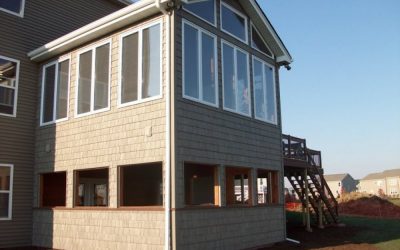
1. Enhancing Curb Appeal First impressions are important when trying to sell your home. You want your home to stand out from others. Remodeling increases the value of your home. Buyers do not want to see an old roof, windows, or doors on your home....
New Flashing Installation
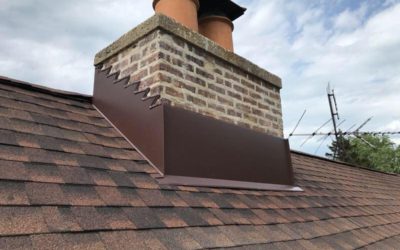
What is Chimney Flashing? On homes that feature a chimney, it is critical to have properly maintained flashing. Sadly, most homeowners do not fully understand why and therefor over look this need. So what is chimney flashing, and why is it...
Recent Customer Reviews
We can't help it....WE LOVE SHARING! Here you can see some of the latest customer feedback we have received from our happy customers. To see more of our client reviews and to hear about their experiences please be sure to check us out at guild...

custom built light fixture
As you know, with Mega Pros "One Call Does It All," but did you know that we can actually custom build your vision? We recently had a client contact us inquiring about installing a new light fixture in their kitchen. This client had absolutely...
The Power of New Exterior Doors
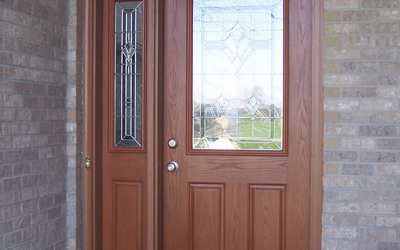
Improving your home's curb appeal with new exterior Doors. Homeowners don’t often think about this, but new doors can often have more of an impact on the look of a home than a new coat of paint or flowers. Think about it, what is one of the most...

We have won 2 prestigious honors from Qualified Remodeler Magazine
Qualified Remodeler magazine has named MEGA Home Improvement one of the top 200 exterior remodelers in the nation, just months after the publication dubbed MEGA one of the top 500 remodelers in the country for the 11th straight year. “It is great...
